

1. From sea to storage: Pre-cooling and rapid intervention
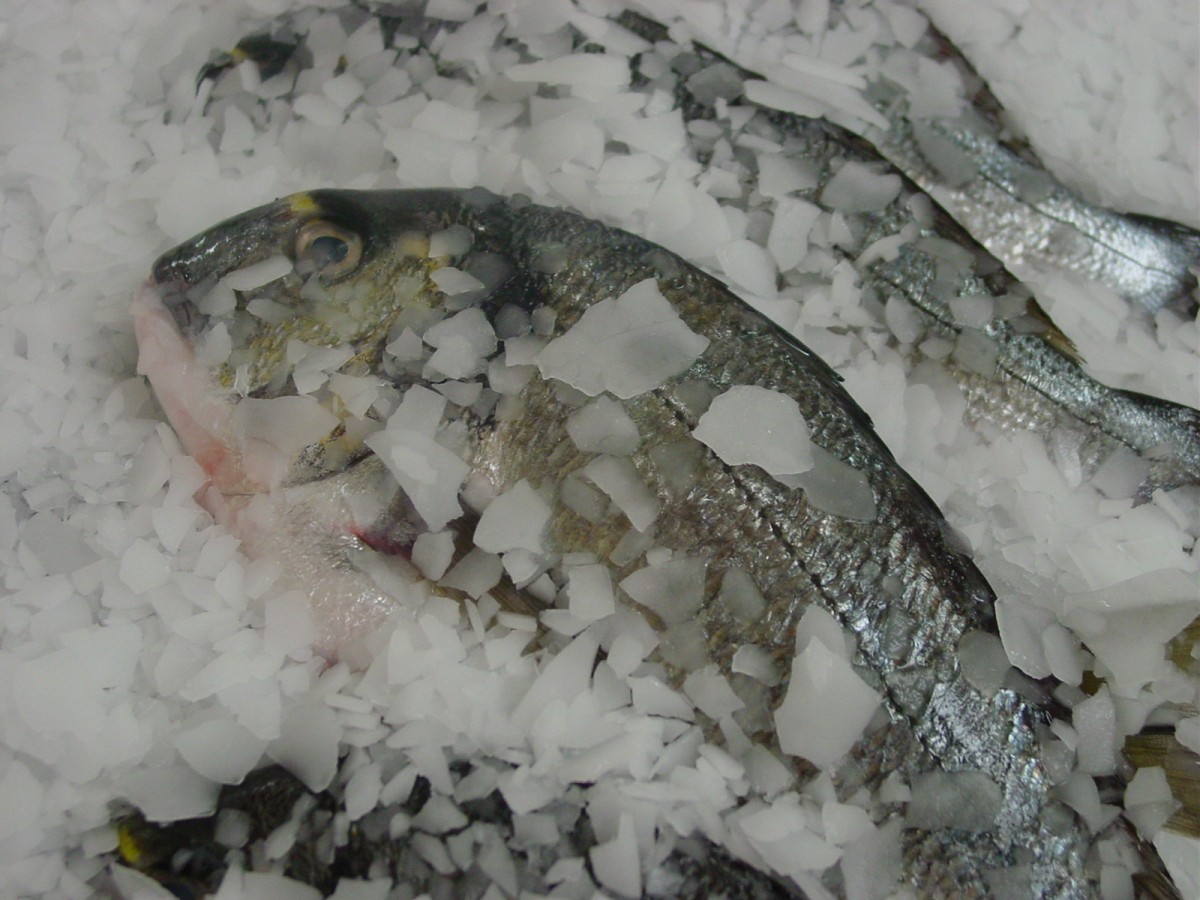
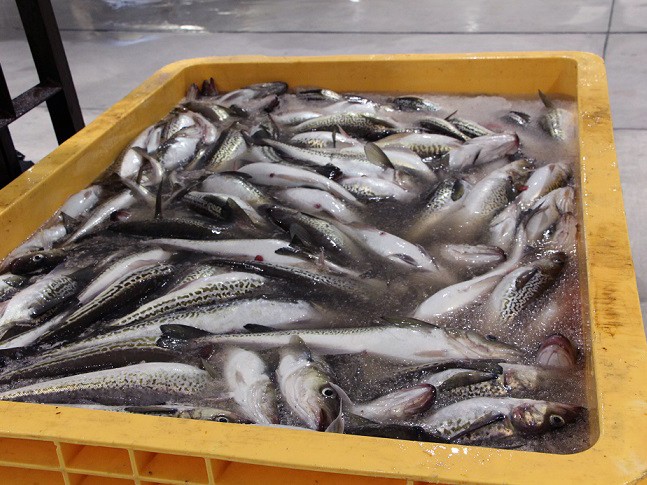
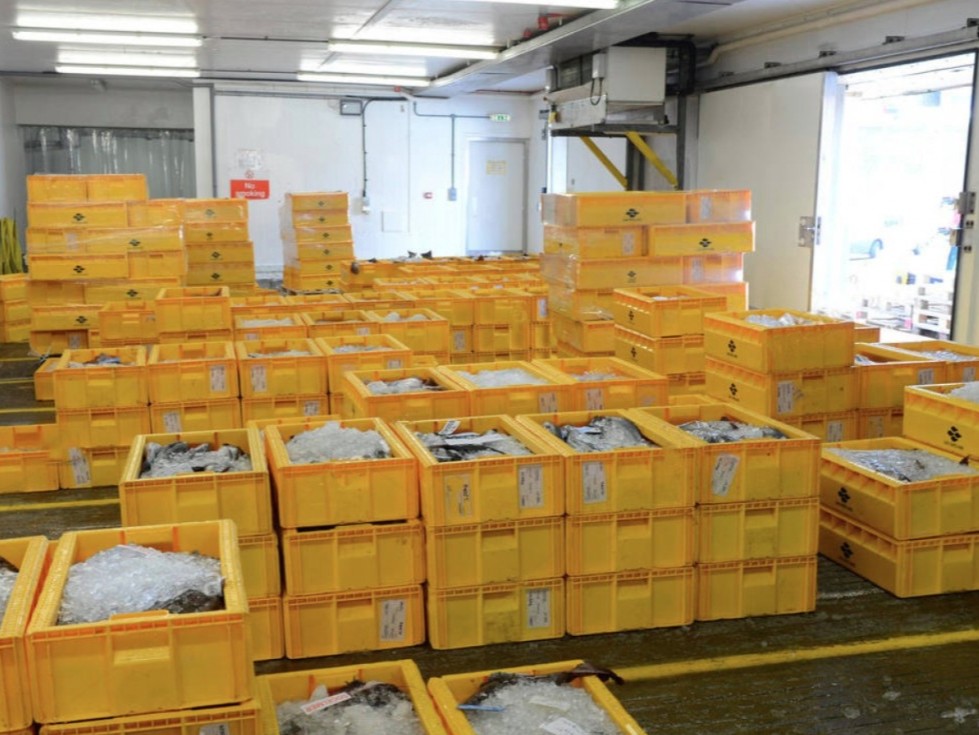
The most critical period for fish is the first few hours after it's caught. Therefore, as part of seafood refrigeration systems, products must be immediately brought down to below +4°C using RSW (refrigerated sea water) tanks or flake ice. Rapid pre-cooling slows down bacterial activity, limits quality loss, and ensures a strong start to the subsequent stages of processing.
2. Rapid freezing technologies: Plate, Air Blast, and IQF Freezers
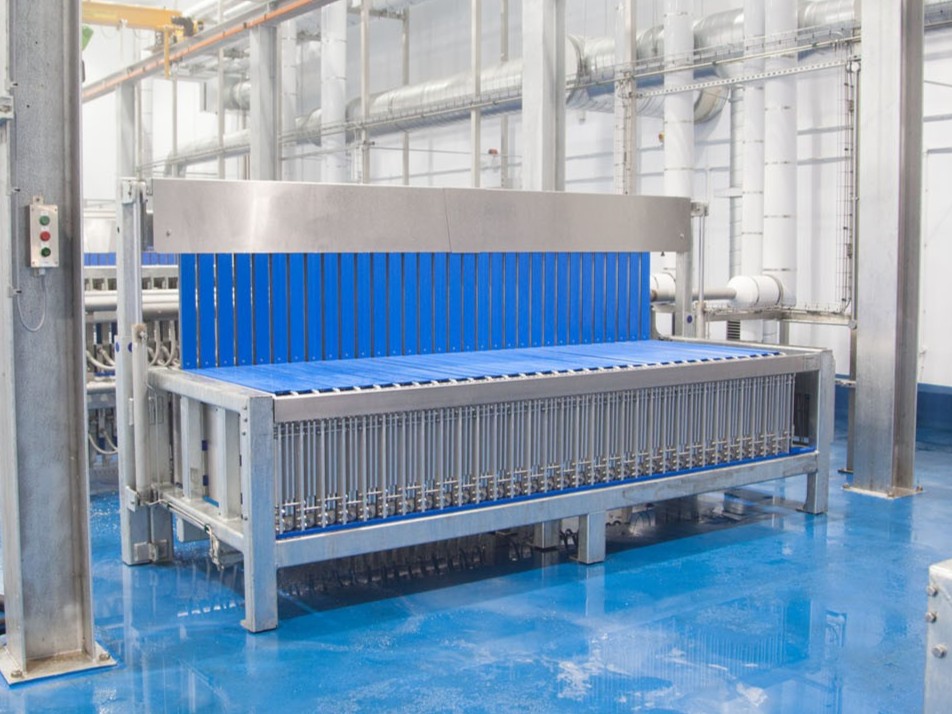
Plate Freezers
Plate freezers work on the principle of compression between the product and cold metal plates. This direct contact provides high efficiency in freezing:
- Advantages: Very fast heat transfer, homogeneous freezing, energy efficiency, and ideal for small-sized products.
- Application area: Whole fish, fillet packages, small and medium-sized products.
- Important considerations: Cleaning plate surfaces and using stainless materials that comply with hygiene standards are necessary.
Air Blast Freezers
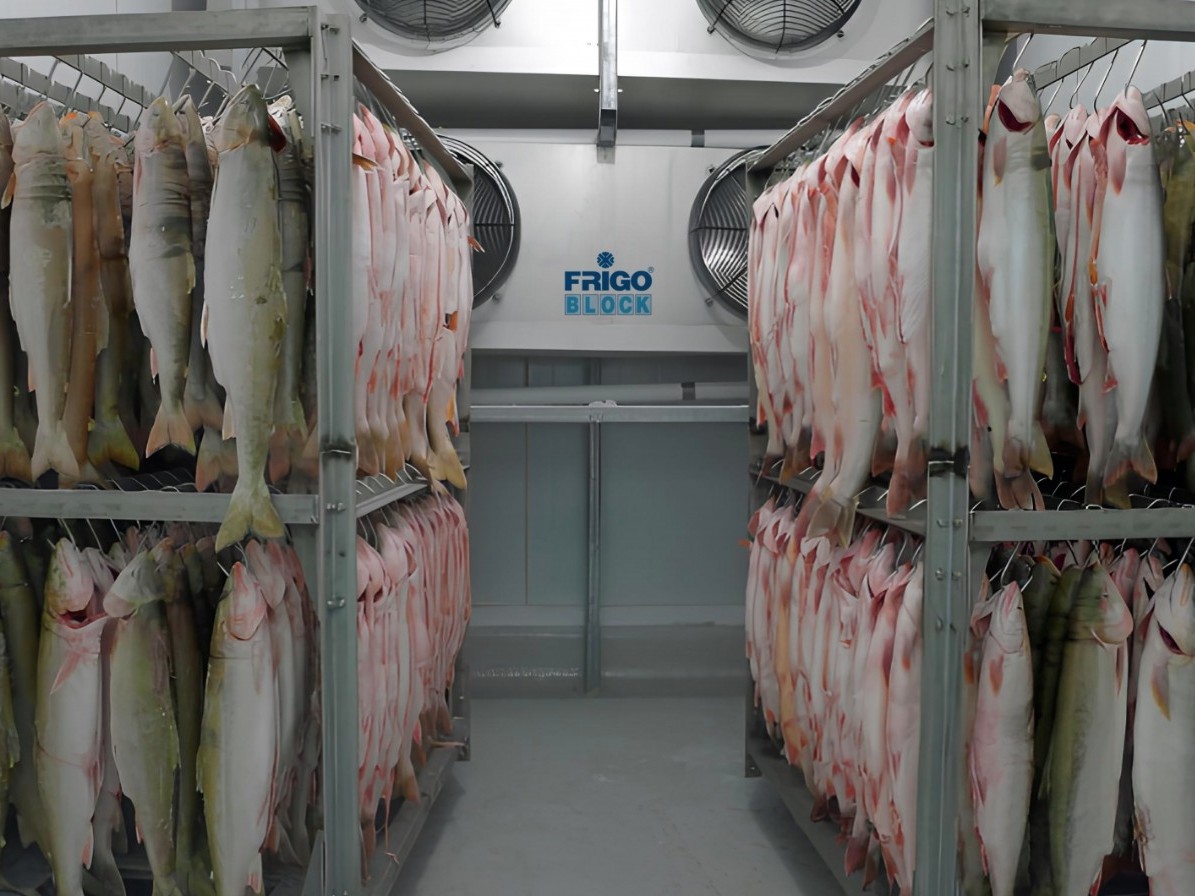
These systems, which operate with cold air flow, are versatile in terms of variety and capacity:
- Advantages: Suitable for processing products of different shapes and sizes on the same line, high productivity, and possibility of mass production with spiral or conveyor belt configurations.
- Application area: Packaged products, large-scale productions, and high-volume needs of businesses.
- Important considerations: Air speed, temperature profile, and product placement determine quality; when designed correctly, uniform and rapid freezing is achieved.
IQF Tunnel Freezers (Individual Quick Freezing)
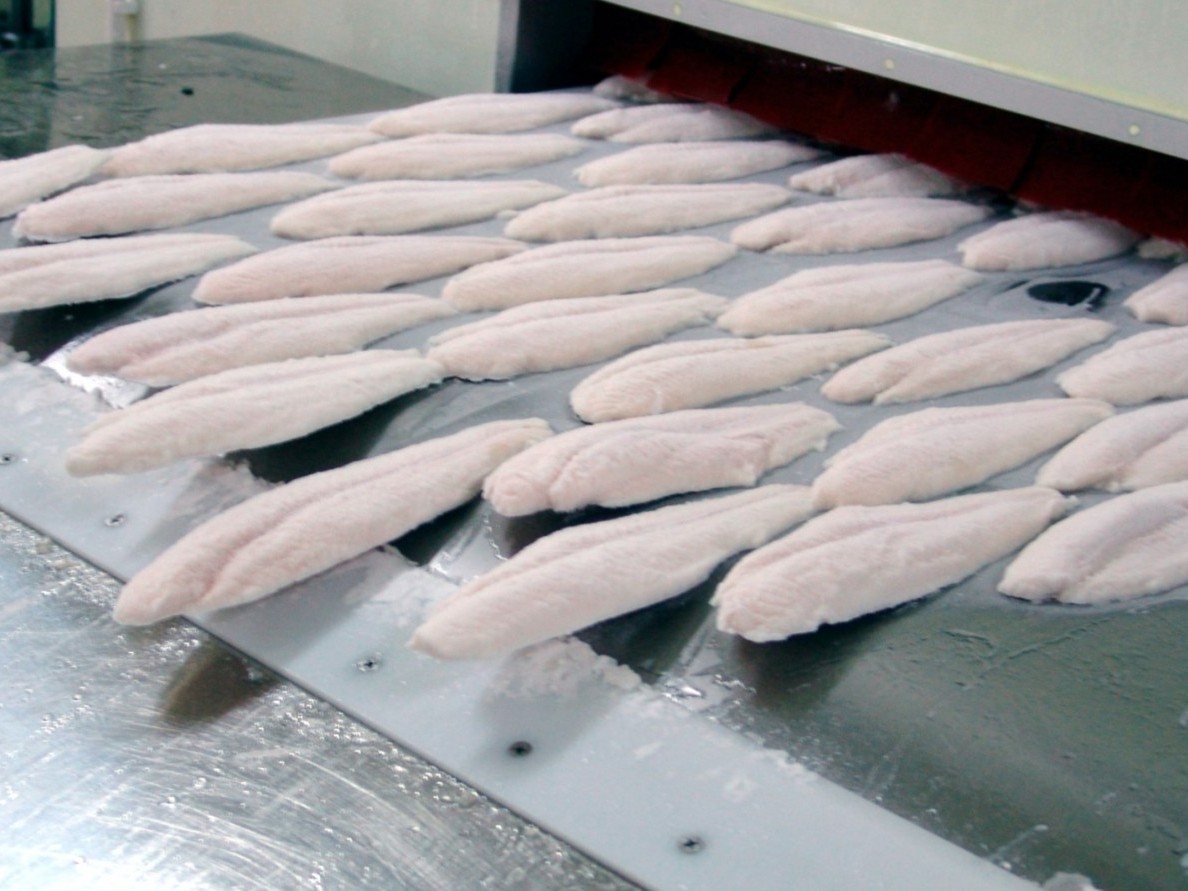
IQF is a technology where each piece is frozen individually, which prevents sticking and makes it easy to use later:
- Advantages: Products don't stick together, easy portioning, flexibility in cooking and packaging, and high product quality.
- Application area: Shrimp, small fish, fragmented fillets, and partial products.
- Important considerations: Belt speed, air direction, and spacing settings are critical in an IQF line; also, automation of product flow increases efficiency.
Summary: Which freezing technology to choose is determined by the product type, target capacity, packaging preference, and investment/operating costs. Often, a combination of multiple freezing methods in one facility gives the best result.
3. Cold storage: Temperature, refrigerants, and best practices
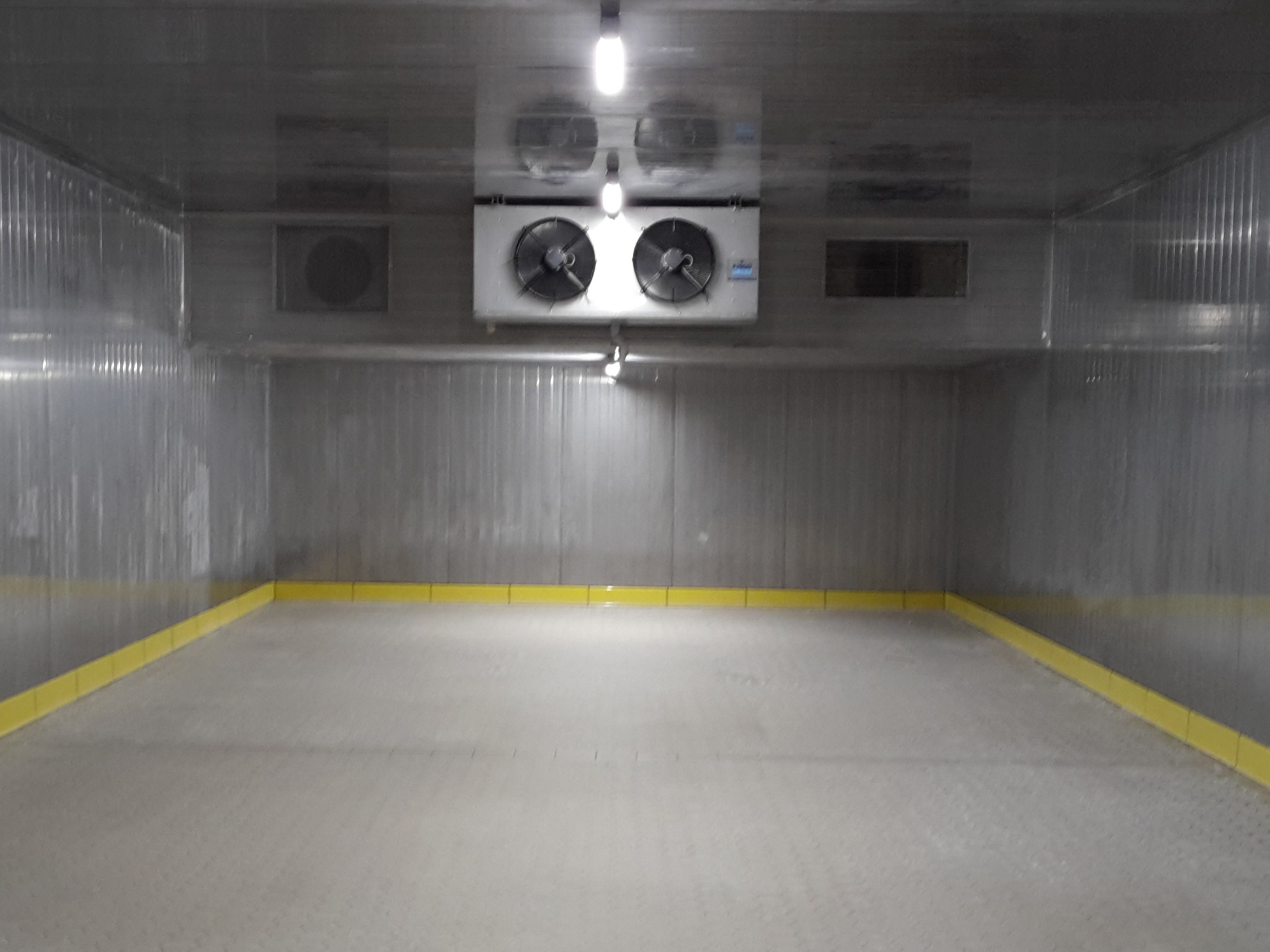
Frozen seafood must be stored under controlled conditions between -18°C and -29°C to preserve its quality and shelf life. Things to consider during the storage process:
- Temperature control: Consistent temperature per section; preventing temperature fluctuations caused by frequent door openings.
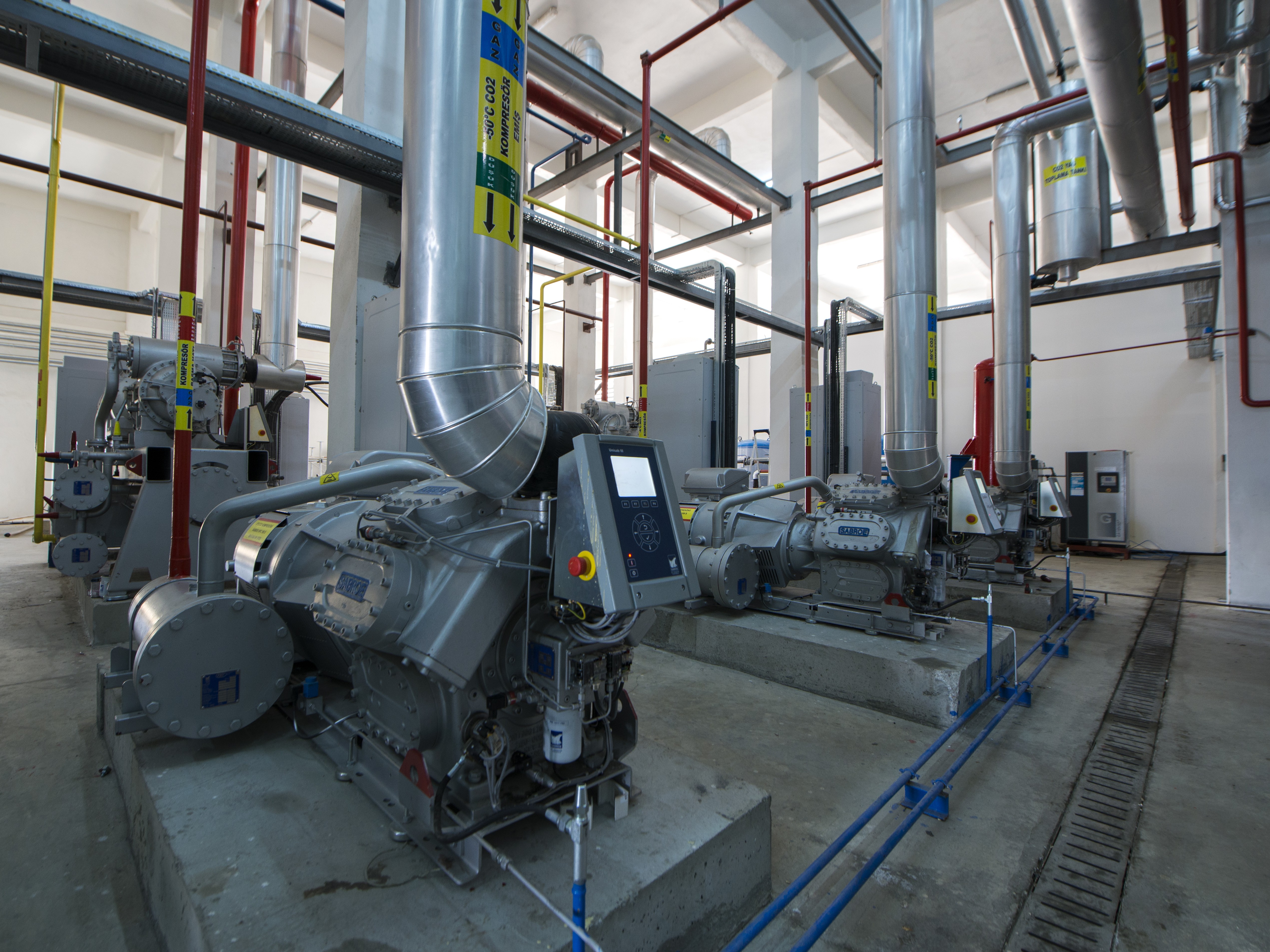
- Refrigerant choice: Considering energy efficiency and environmental impact, natural/sustainable refrigerants like ammonia (NH₃) and CO₂ are often preferred. These refrigerants provide high efficiency, but safety measures (gas detection, ventilation, training) are mandatory in facility design.
- Packaging and glaze: Water-glaze applications or suitable packaging methods should be used to protect products from oxidation.
- Location and infrastructure: Proximity to the processing center, a continuous power supply (UPS/generator), sufficient fresh water supply, and skilled labor are important.
4. Automation, monitoring, and energy efficiency
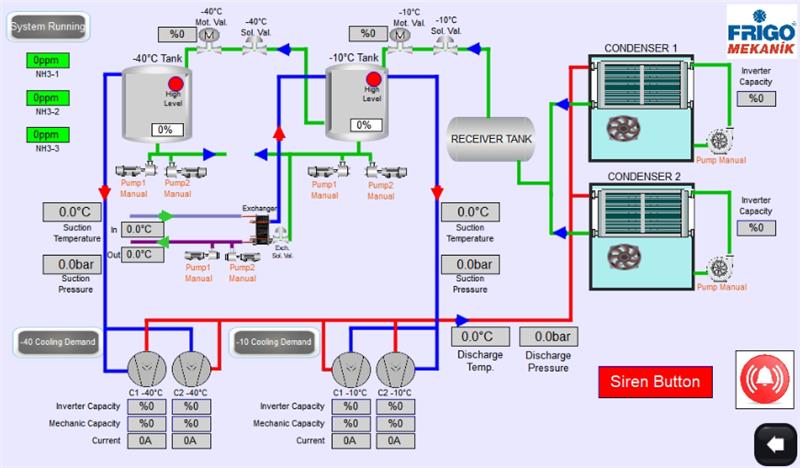
With advanced automation systems, storage temperatures, compressor performance, fan speeds, and historical data records can be monitored 24/7. Remote monitoring provides the advantage of early warnings, energy optimization, and data provision for regulatory audits.
5. Application recommendations: A checklist for a successful seafood refrigeration system
- Requirements analysis: Product type, daily volume, and target shelf life should be determined.
- Freezing strategy: Determine if IQF, plate, or air blast freezing is needed; a hybrid solution should be planned if necessary.
- Refrigerant choice: Choose an appropriate refrigerant (e.g., NH₃, CO₂) after evaluating energy and environmental impact.
- Automation and monitoring: Plan for data logging, an alarm system, and remote access.
- Hygiene and maintenance: A periodic maintenance program for cleaning plates, belts, and tanks should be created.
With professional design and implementation, seafood refrigeration systems both guarantee product quality and reduce operating costs. The right technology choice, safety measures, and automation integration are essential for a sustainable supply chain.
