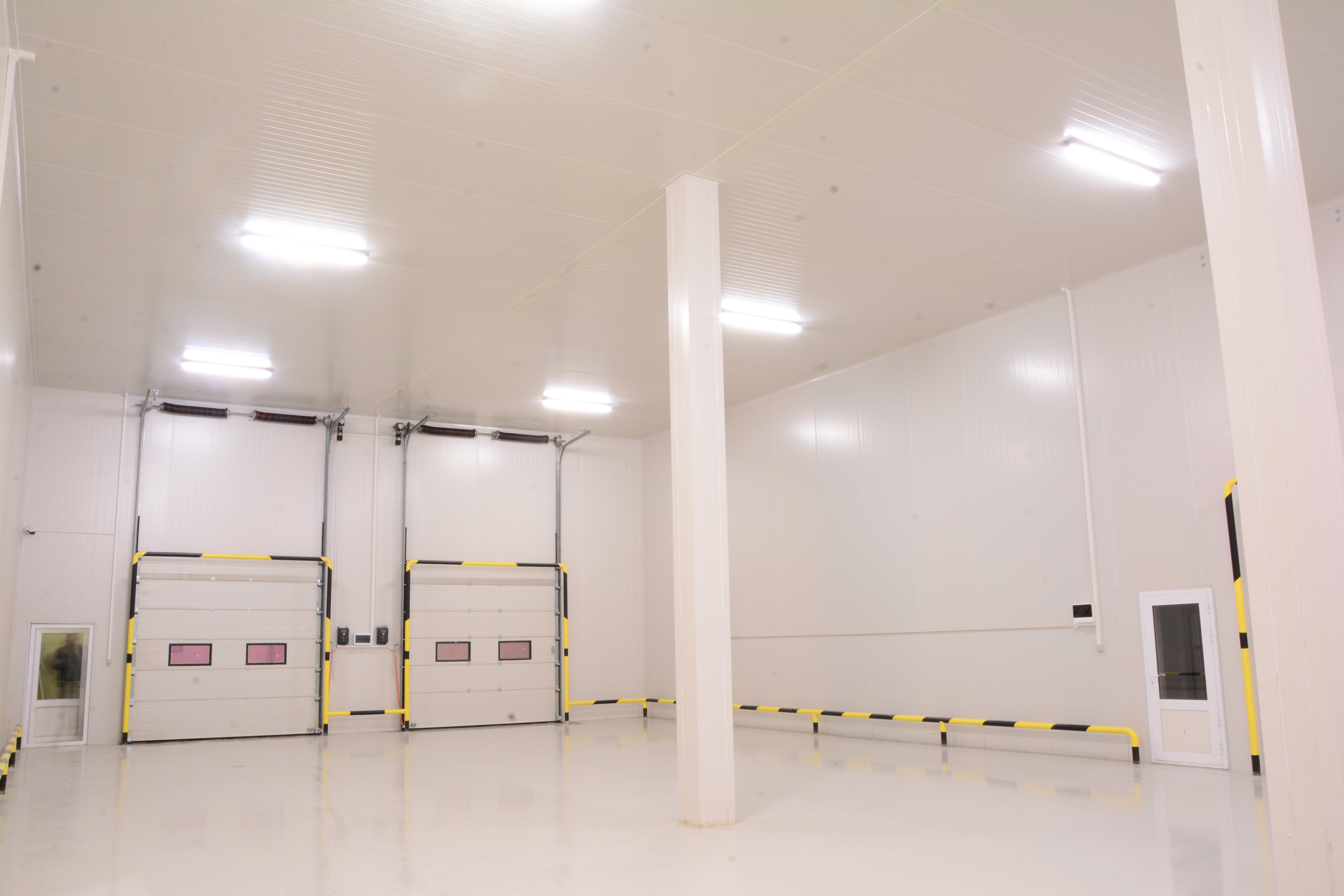
Certain parameters must be determined before constructing a cold storage facility. To ensure the system and equipment operate efficiently for many years without increasing energy consumption, these parameters must be accurately defined.
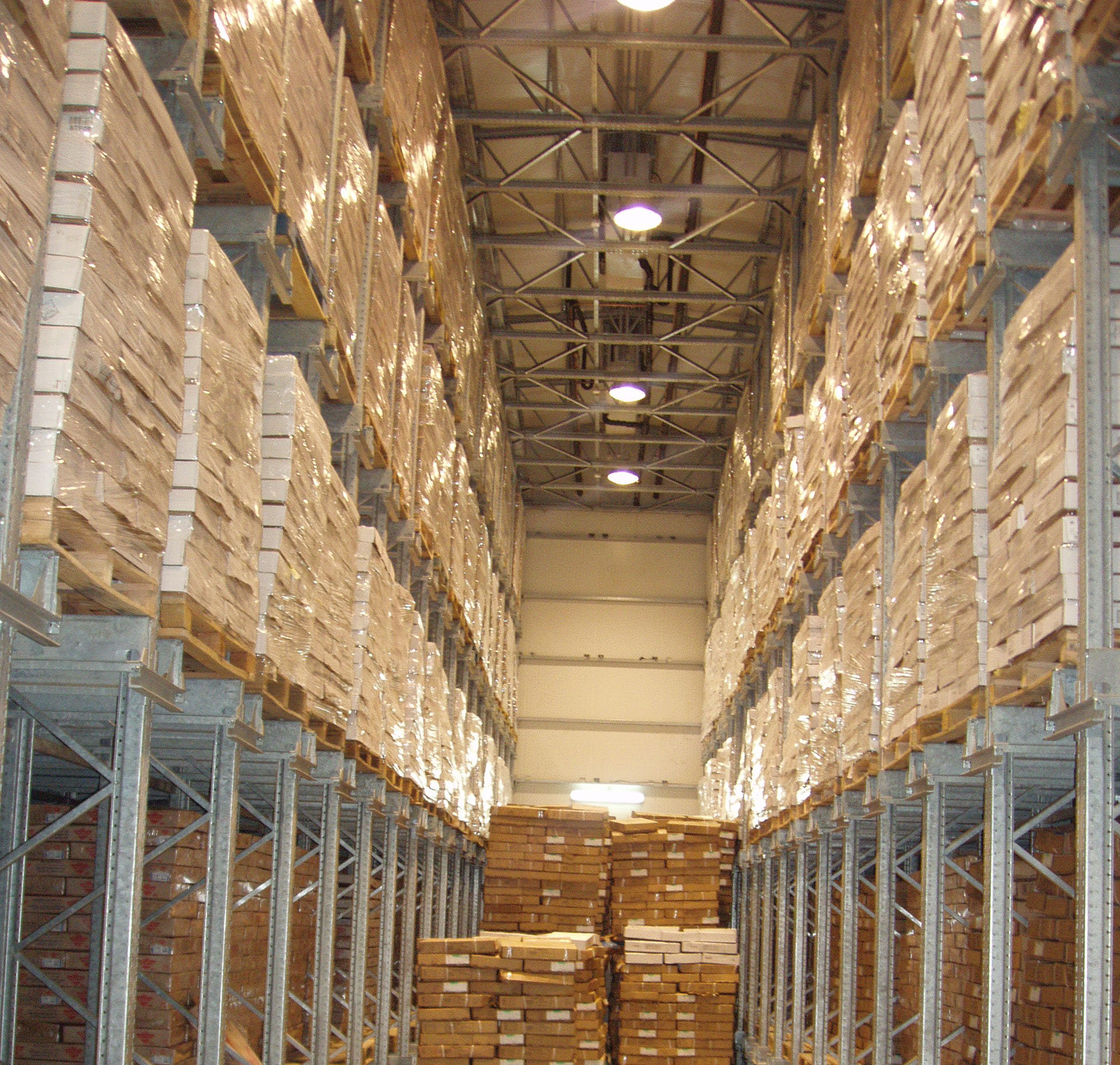
Each room in the storage facility should store only one type of product. However, if the products are in sealed packaging and have compatible storage temperatures, different products can be stored together..
The design of the storage facility is calculated based on the type of products to be stored. Incorrectly chosen temperatures can lead to a shorter storage and shelf life of the products.
The temperature at which products arrive at the storage facility is critical for determining cooling capacity.
Based on the volume of products entering the storage daily, requirements such as forklifts, workforce, truck parking areas, etc., are determined.
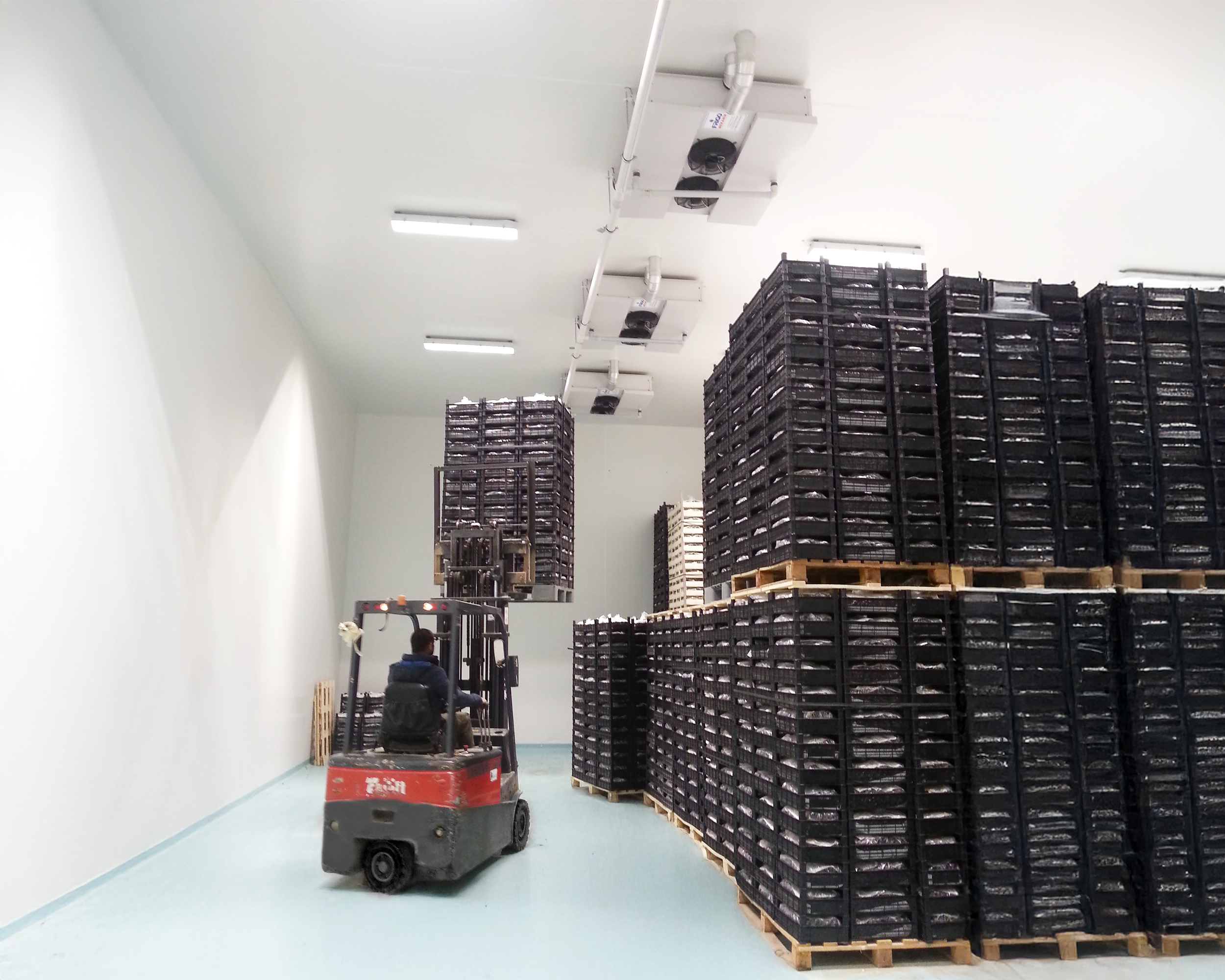
Depending on the storage type, products can be stored in cardboard boxes, crates, pallets, cases, or in bulk.
The dimensions of the facility are determined based on the required capacity, available land, and zoning conditions.
The number of rooms can be determined by the circulation speed and volume of products. If the rooms are too large, unloading will take a long time; if they are too small, the initial investment cost will increase.
External weather conditions, relative humidity, and similar factors are crucial for accurately calculating the cooling load required for the products stored in the facility.
The cold storage facility can be constructed as a reinforced concrete or steel structure. Insulation of the floor, walls, and ceiling is necessary to minimize heat gain.
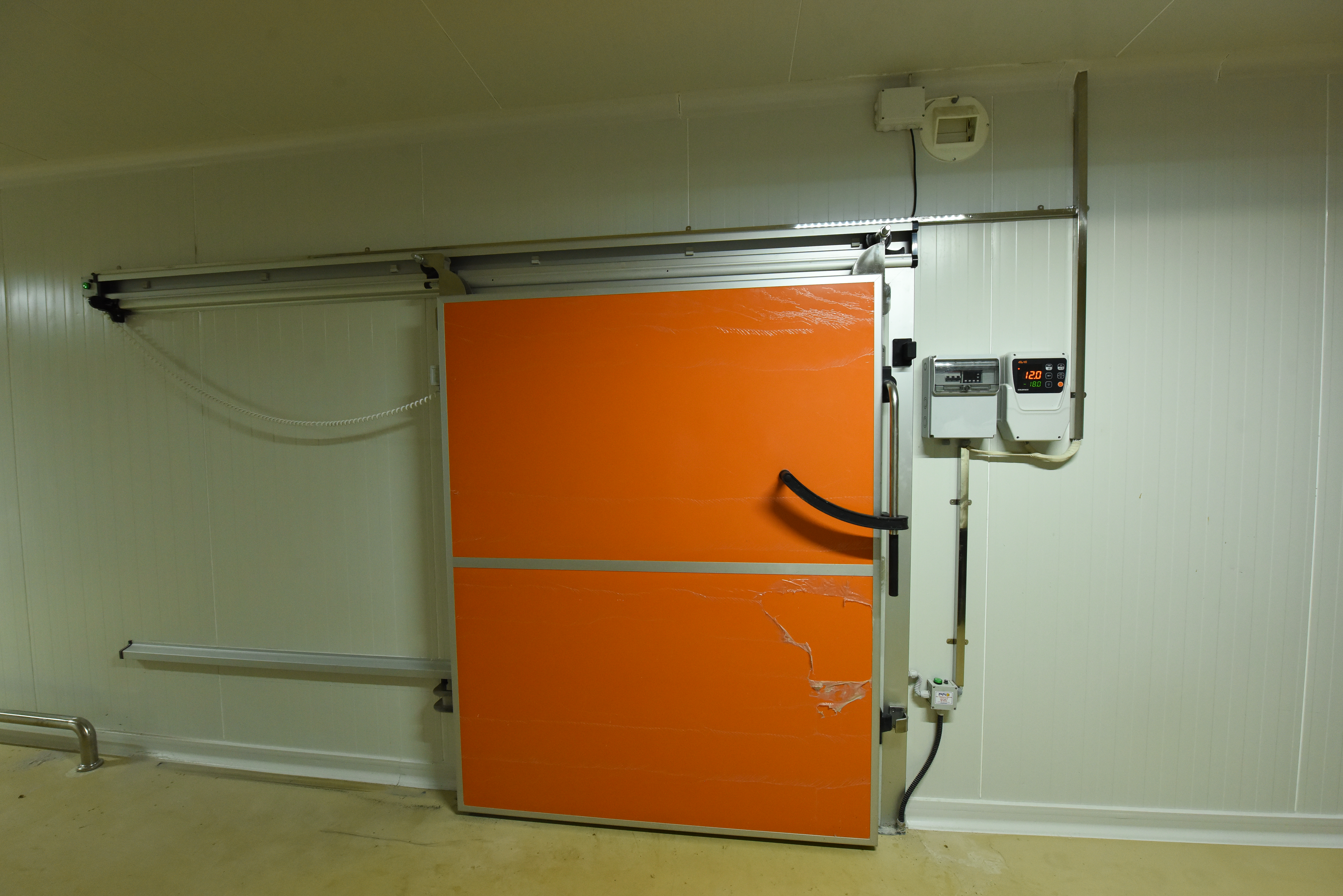
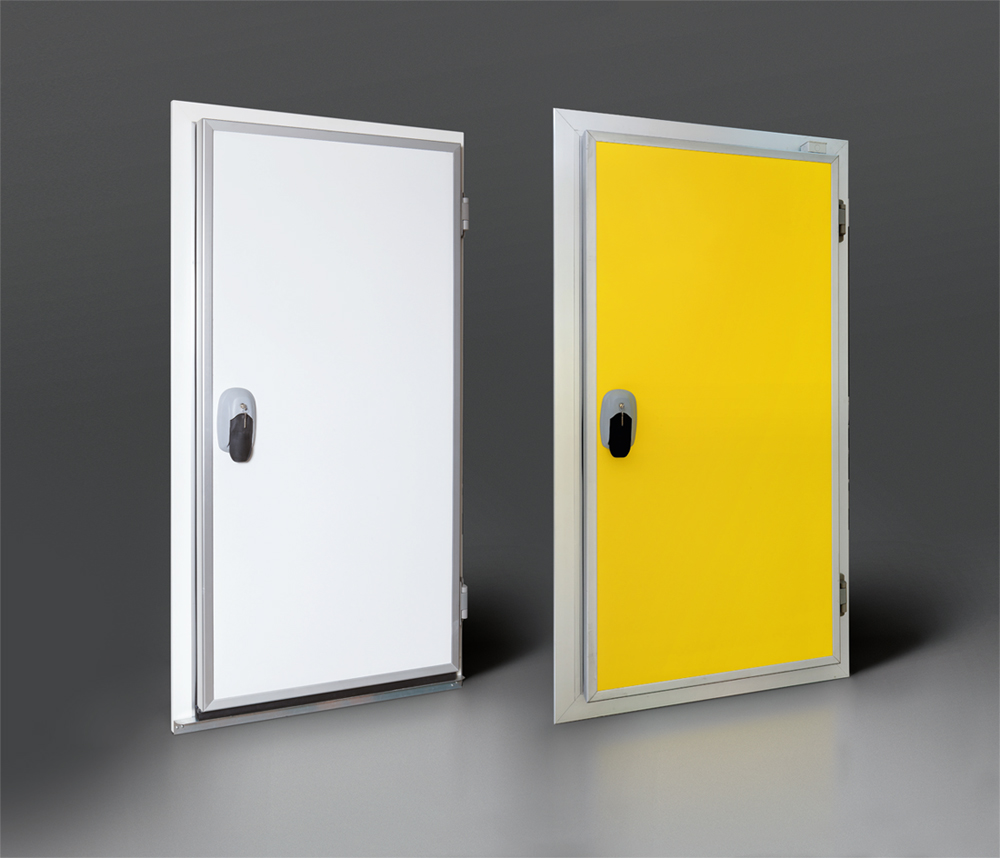
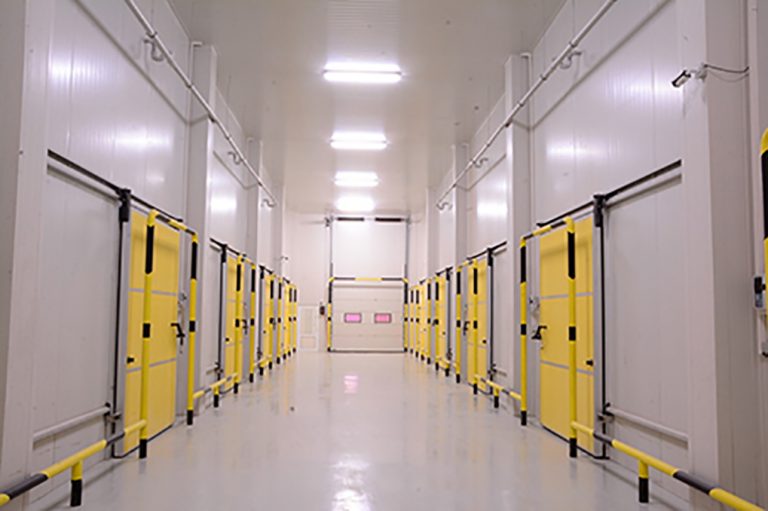
Doors in cold storage facilities are critical in preventing heat gain and controlling costs; therefore, the right door types should be selected.